
When a reading changes: your next steps
October 1, 2026 · 3 min read
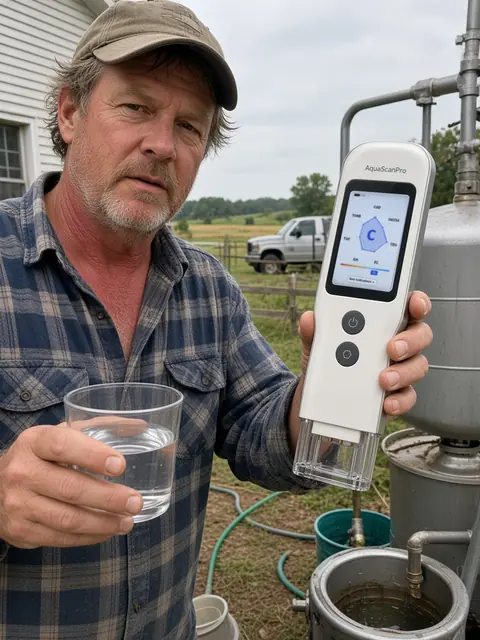
An indicator that moves away from your baseline is a reason to look closer, not a verdict on your water. Here's a calm, practical checklist.
1. Re-test
Take a fresh sample the same way you took your baseline readings. Check for bubbles in the sensing chamber and make sure the sample covers it to the right depth.
2. Check calibration and cleaning
Clean the optical chamber as described in the instructions, and check calibration. A fouled window or drifting calibration can shift readings.
3. Compare sources
Test another tap, or before and after your filter. If only one source changed, that narrows things down: a filter cartridge near the end of its life, for example, or a change at the well.
4. Think about what changed
Heavy rain or flooding, new plumbing, a softener service, a long period with the water unused. Write it in your log next to the reading.
5. Know when to book a certified lab
Indicator readings can't establish drinking-water safety or identify contaminants. If you have a question about safety, if readings stay changed after re-testing, or if you're on a private well and haven't had a lab test recently, book a test with a state-certified drinking-water laboratory. Your state or local health department can point you to one. The U.S. EPA and CDC both recommend contaminant-specific testing by certified labs for private wells.
Bring your log. Readings over time, with the source and conditions, give the lab and you useful context.